
Seamless Sophistication: Quietly Intelligent Homes
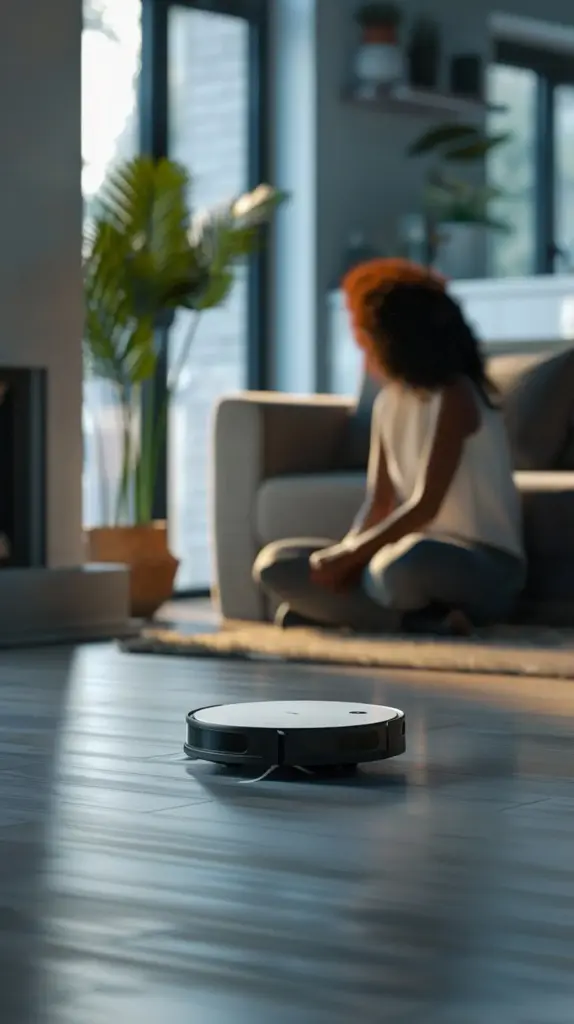
Discover how integrating discreet smart home technology without compromising elegance can elevate daily living. We’ll unpack strategies for hiding hardware, simplifying control, and honoring materials while preserving comfort, security, and future‑readiness. Ask questions, share your space challenges, and subscribe to follow ongoing design experiments and honest, field-tested insights.

Material harmony and finish continuity
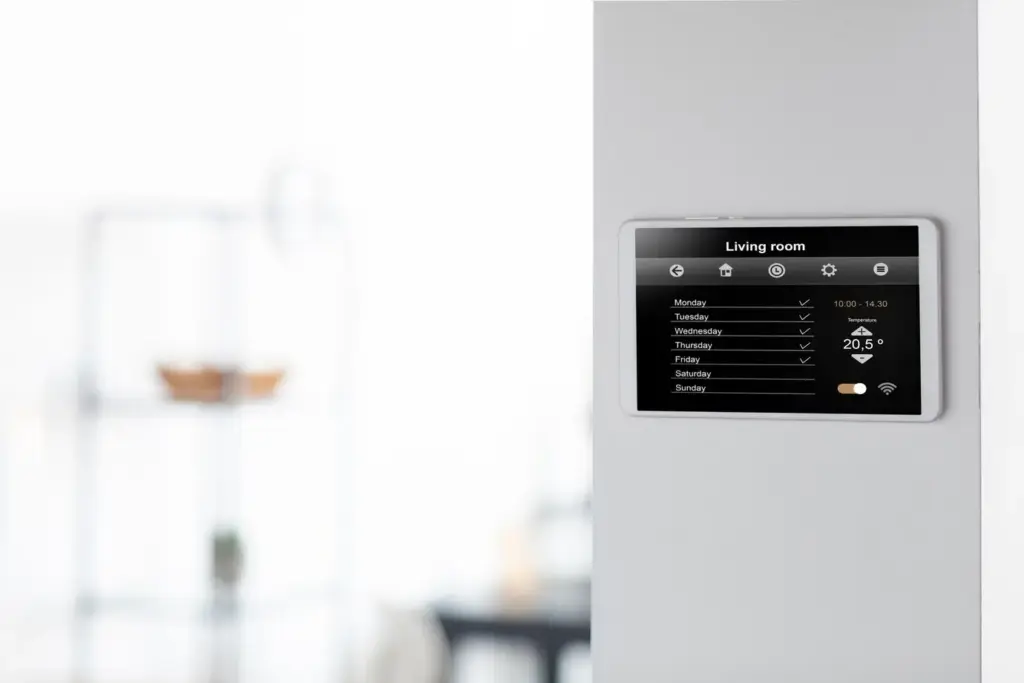
Select materials, colors, and textures that match adjacent surfaces, letting sensors, keypads, and grills visually recede. Use paintable trims, plaster-in frames, fabric match kits, and custom engravings. When touchpoints echo the room’s palette, the mind relaxes and the technology politely fades into the background.

Concealing power and data pathways

Design cable routes early, separating high-voltage from low-voltage, adding generous conduits, and leaving service loops for upgrades. Hide outlets in drawers, behind toe-kicks, or within millwork. Centralize gear in a ventilated closet, keeping living areas serene while maintenance stays efficient and safely accessible.

Architectural fixtures you barely notice

Choose shallow housings and plaster-in details that reduce glare and visual noise. Specify warm-dim or tunable-white modules to maintain evening comfort and daytime clarity. Coordinate cut sheet photometrics with furniture plans, ensuring light falls where life really happens, not in random grids across ceilings.

Daylight and circadian orchestration

Marry motorized shading, solar prediction, and tunable lighting to support natural rhythms. Morning scenes lift shades and cool color temperature; evening scenes lower glare and warm tones. The choreography feels alive, improving sleep, focus, and mood while protecting artwork and finishes from harsh exposure.

Scene design for daily rituals

Sketch your day as vignettes—waking, cooking, working, unwinding—and capture them as concise scenes. Give each scene a single button, consistent room to room. Subtle feedback confirms actions without spectacle, building graceful muscle memory that makes technology feel like a considerate, almost invisible companion.

Audio‑Visual Without Visual Noise

Entertainment can coexist with restraint when components recede and content takes center stage. Prefer architectural speakers, motorized mounts, and art-mimicking displays. Position equipment to serve acoustics and sightlines, not dominate them, while remote amplification and robust networking keep performance high and living spaces beautifully calm.

Invisible sound with architectural speakers

Use plaster-over, in-wall, or micro-aperture speakers that vanish into finishes yet deliver full-range clarity. Calibrate with discreet microphones and room correction. Place subwoofers within millwork cavities or risers, decoupled to avoid rattles, maintaining rich presence without broadcasting where the sound originates.

Screens that serve art and cinema

When off, let displays become artwork or mirrors; when on, let mechanics disappear. Consider motorized lifts, recessed niches, or short-throw projection for clean surfaces. Coordinate speaker cloths, frame finishes, and cable passes so the whole wall reads as intentional architecture, never equipment storage.

Cable discipline and rack location

Centralize amplifiers, network gear, and sources in a ventilated, serviceable space. Label obsessively, separate power, and provide UPS protection. With fewer visible devices in rooms, acoustics improve, dust drops, and the overall aesthetic remains unbroken even when systems are expanded or serviced.
Subtle access control

Choose smart cylinders and mortise bodies that accept traditional handles, preserving architectural intent. Hide keypads within door jambs or side walls. Temporary codes, presence logic, and encrypted credentials keep circulation smooth for family and guests while keeping surfaces uncluttered and dignified.

Cameras with restraint

Prioritize vantage points over quantity, using narrow fields, neutral housings, and privacy shutters or software masks indoors. Outdoors, integrate into lighting or soffits. Notify occupants when recording is active, and store sensitive footage locally to balance accountability with everyday comfort and trust.

Sensors that blend into architecture

Select recessed magnetic contacts, micro motion sensors, and ceiling multi-sensors that match trim color. Place devices where light hits least. Calibrate sensitivity to avoid false alerts from pets or curtains, keeping the environment attentive yet visually unremarkable and emotionally at ease.

Interfaces Designed for Humans, Not Hype

Great experiences come from clarity, consistency, and restraint. Build a common grammar across rooms: identical buttons, familiar icons, and predictable responses. Favor local scenes over app digging, while voice, widgets, and sensors provide subtle, accessible layers that respect context and privacy.

01

Voice that whispers, not shouts

Tune microphones for near-field pickup, reduce wake-word false starts, and route processing locally where possible. Enable private responses, use routines instead of commands, and offer physical alternatives at all times. The system should assist quietly, never becoming the loudest personality in the room.

02

Tactile interfaces with purpose

Keep wall stations few but meaningful. Engrave scenes using everyday language, include a universal off, and add a discreet nightlight locator. Quality buttons feel reassuring, guiding interaction through touch so glances stay on people, art, and views rather than glowing rectangles.

03

Apps that serve the architecture

Design app dashboards to mirror floor plans and scenes, not device lists. Provide a guest page with simple controls and clear labels. Hide advanced settings behind authentication, and prefer on-device privacy controls so the home’s calm character extends naturally onto screens.

Planning, Retrofit, and Future‑Proofing

The quietest installations begin on paper. Reserve equipment zones, spec conduit generously, and detail penetrations before finishes. For existing homes, prioritize wireless where elegant and wired where essential. Choose interoperable protocols and modular components so upgrades enhance capability without disturbing crafted interiors.

Prewire like a pro

Run home runs to central locations, pull extra Cat6A, and separate low-voltage from power by space and pathway. Include service loops, labels, and spare conduit to attic and crawl spaces. This foresight reduces wall damage, visit time, and client stress when needs evolve.

Retrofit finesse in historic spaces

Respect plaster, stone, and wood by using surface raceways thoughtfully, battery shades, and adhesive sensors where removal would scar. Prefer reversible interventions and reversible fasteners. Coordinate with conservation specialists so comfort rises while the story and soul of the building remain intact.

Modular systems and open standards

Favor ecosystems that bridge via Matter, Thread, KNX, or robust APIs, allowing best-of-breed choices. Decouple control logic from hardware where practical. This flexibility extends life, avoids vendor lock-in, and supports graceful evolution as needs, tastes, and technologies naturally change.

Heat, cooling, and quiet efficiency

Place remote temperature sensors away from drafts and sun. Use radiant systems, smart valves, and slow, steady curves that feel gentle. Overspec insulation and air sealing where renovation allows, so automation fine-tunes rather than fights physics, delivering comfort that whispers instead of roars.

Shades, glass, and passive allies

Combine low-E coatings, smart tinting, and fabric openness choices with responsive schedules. Automations anticipate heat gain and glare, lowering shades before discomfort appears. The architecture does more work, reducing mechanical demand and keeping interiors serene, protected, and beautifully connected to changing light.

Stories from Calmly Connected Homes

Real spaces teach best. Here are distilled lessons from residences where intelligence hides in plain sight and hospitality leads. Notice how owners describe feelings before features. Their languages of comfort, confidence, and beauty validate every careful detail far more than spec sheets or benchmarks.
Kakorilavazotola
Privacy Overview

This website uses cookies so that we can provide you with the best user experience possible. Cookie information is stored in your browser and performs functions such as recognising you when you return to our website and helping our team to understand which sections of the website you find most interesting and useful.